

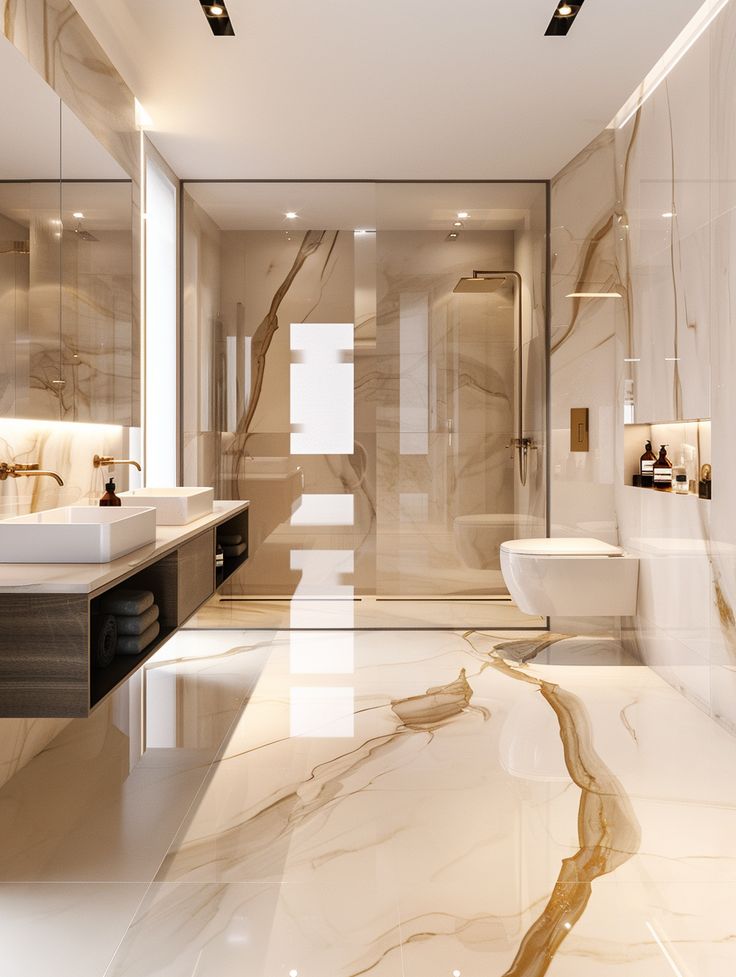
White marble has a reputation for being high-maintenance. In thirty years of selling it, we've found the opposite: floors we supplied decades ago still look new, because their owners follow a handful of easy habits. Here they are - everything you actually need to know, and nothing you don't.
Understand the one real enemy: acid
Marble is calcium carbonate, and acid dissolves it on contact. Lemon juice, vinegar, cola, tamarind, harsh bathroom cleaners - each leaves a dull "etch" mark where it sits. Almost every marble complaint we've ever seen traces back to acid, not stains. Keep acids off the stone and you've solved 90% of marble care.
Seal it, then forget about it
A penetrating sealer fills the microscopic pores so spills sit on the surface instead of soaking in. It's a fifteen-minute job:
- Seal counters and dining floors once a year; low-traffic floors every two to three years.
- Quick test: drop water on the stone. If it darkens within a few minutes, it's time to re-seal.
- Dense whites like Makrana need sealing far less often than open-grained stones.
Daily cleaning - simpler than you think
- Floors: dry dust-mop daily; damp mop with plain water or a pH-neutral stone cleaner.
- Counters: warm water, a drop of mild dish soap, soft cloth. Wipe dry to avoid water spots.
- Never use: vinegar, bleach, harsh bathroom acids, or abrasive scouring powders.
When something spills
Blot, don't wipe - wiping spreads the spill across more stone. For anything coloured (turmeric, wine, tea), blot immediately and clean with soapy water. A stain that has soaked in can usually be drawn out with a poultice paste; a serious etch mark polishes out. Neither is permanent damage.
The habits that matter: coasters under glasses, trivets under hot pans, felt pads under furniture, a doormat at the entrance, and chopping boards in the kitchen. Five small habits - that's the whole regime.
The long game: re-polishing
Here's the thing no one tells you about marble versus tile: marble is renewable. After ten or fifteen years of traffic, a professional diamond re-polish takes off a hair's breadth of surface and the floor is literally new again. A quality white marble floor, re-polished once a decade, will outlast the building's owners - which is exactly why the Taj Mahal still shines.